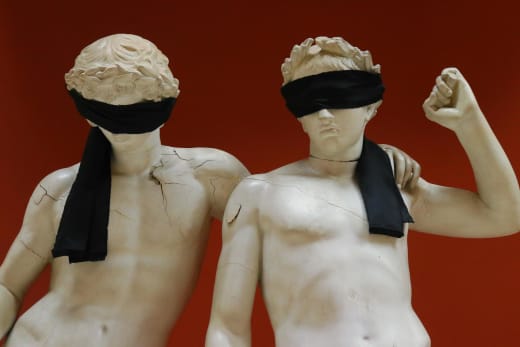
The Museum of Forbidden Art: Art, Controversy, and Censorship
November 23, 2026
In Barcelona, there was a unique space that exhibited only works that had been censored. At Misterio Studio, this museum raised fundamental questions for cultural mediators and art enthusiasts alike. In this article, we examine key topics related to censored art, artistic controversy, and curation and censorship in museums, reflecting on the project's impact.
The Museum of Forbidden Art
In 2023, entrepreneur and journalist Tatxo Benet inaugurated the Museum of Forbidden Art at Casa Garriga Nogués in Barcelona. The museum's collection was unusual and included artists such as Gustav Klimt, Charo Corrales, Andy Warhol, and Robert Mapplethorpe.
The selection criterion was clear: works must have been "censored, challenged, denounced, or removed from exhibition". The museum's mission was to return these works to public view. The result was a highly unconventional collection, featuring controversial pieces that sparked reflection and debate on censored art.
After approximately a year and a half of activity, the museum closed its doors. The closure followed a labour dispute in which some workers from subcontracted companies responsible for operating the museum initiated an indefinite strike, accompanied by daily demonstrations outside the museum on Diputació Street to draw attention to the conflict. The project, however, is planned to continue as an itinerant exhibition, bringing the collection to new locations so audiences outside Barcelona can experience it.
Art and Controversy
Art and controversy often go hand in hand. When a work is exposed to public scrutiny, the audience does not always accept it. Ideas ahead of their time, explicit violence, or erotic content were typical examples. Many works once rejected were later proudly displayed in renowned museums, although the path to acceptance was not always easy.
Recently, discussions also focused on the artist's personal conduct. Awareness of social movements revealed morally questionable behaviours from some creators considered "geniuses." The debate considered not only the artwork but also whether it was possible to separate the art from its author—a question highly relevant to modern curation and museum censorship.
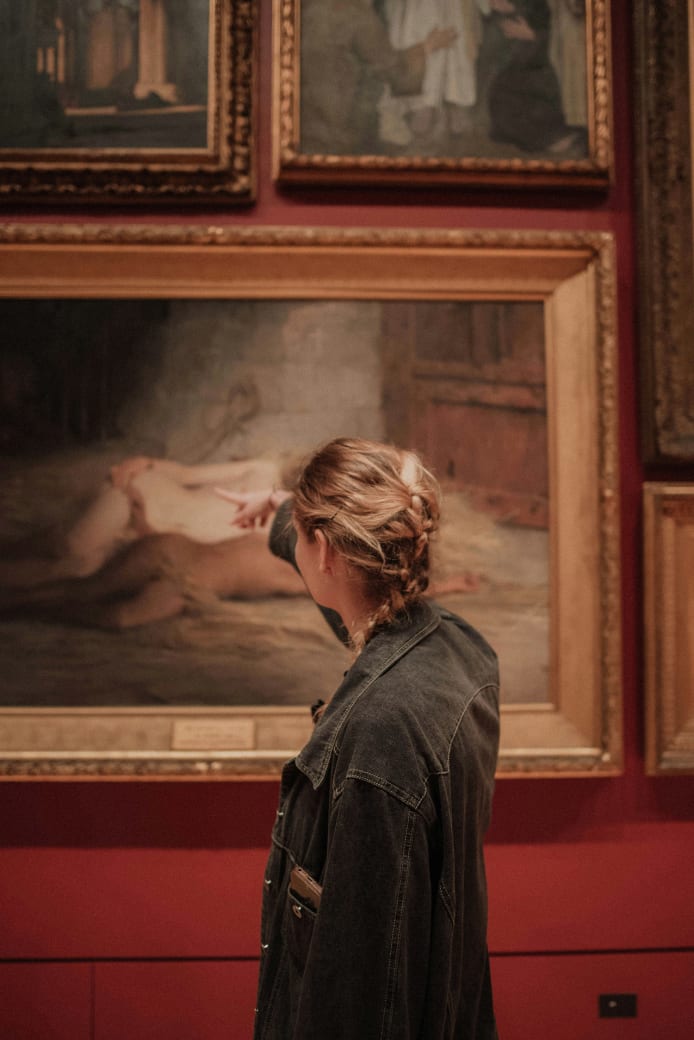
Censorship in Exhibitions and Museums
Freedom of expression in museums was a crucial topic for artists challenging political correctness. Museums played a significant role as channels that allowed the public access to these works.
In 2024, PEN America, the Association of Art Museum Directors, and Art at Risk Connection conducted a survey of U.S. museum directors about censorship in exhibitions and museums. 75% of respondents considered censorship a problem, yet 90% of museums lacked clear policies to address it.
Debate: Curation and Censorship
Defining what constituted censorship in a museum was complex, and there was no clear consensus. Museums had to conduct careful curation, which could be influenced by potential controversies or backlash.
Pressure from censorship could come from various interest groups and affect acquisitions, programming, and exhibition planning. Therefore, freedom of expression in museums impacted not only artists but also the cultural institutions that presented their work.
Ultimately, beyond the appeal of seeing censored art, the Museum of Forbidden Art, while now closed in Barcelona, invited visitors to reflect on the role of museums in defending freedom of expression. The upcoming itinerant version of the project will continue to highlight these debates and ensure that audiences in other cities can engage with the collection.
bibliography
Dederer, C. (2023). "Should the artist be separated from their work? Can we enjoy art by someone morally flawed?" WMagazín, 15 November. [Accessed 12 February 2026]
Museu de l’Art Prohibit (n.d.). Museum of Forbidden Art. [Accessed 12 February 2026]
PEN America (2025). "The censorship horizon." PEN organization, 14 January. [Accessed 12 February 2026]
related posts
related service
Cultural interpretation and content development
Narrative development, exhibition content and interpretation for museums and cultural projects.
learn more