Immersive experience design
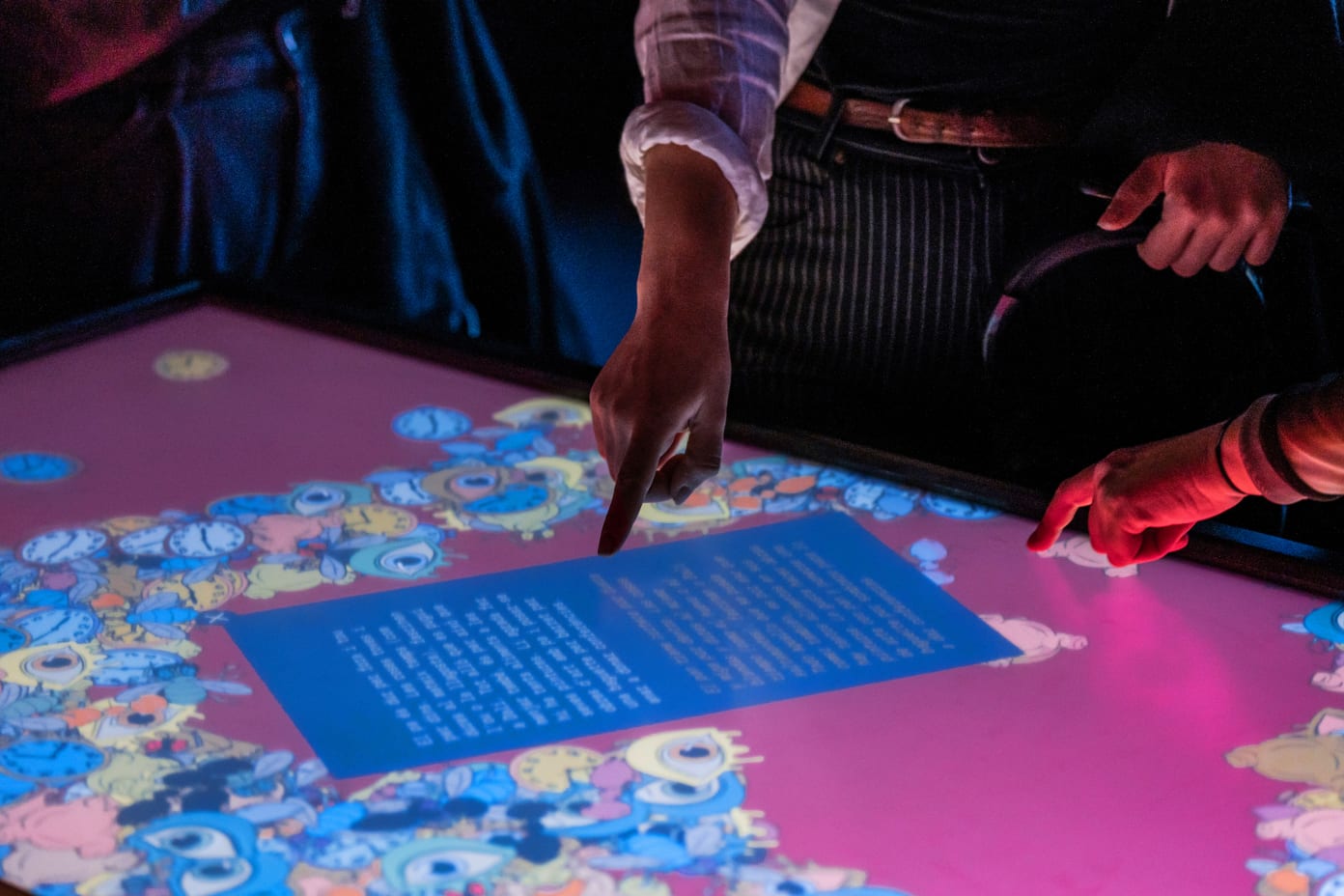
We design experiences that invite people to explore, participate, and remember.
People no longer visit exhibitions simply to observe. They expect to explore, discover, interact, and become part of the experience.
We design immersive experiences that help museums and cultural organisations communicate in more engaging and participatory ways. Combining storytelling, spatial design, technology, and visitor experience, we create meaningful journeys tailored to each project, selecting the most appropriate tools according to its objectives, context, and audiences.
We believe an immersive experience is not defined by the amount of technology it contains, but by its ability to spark curiosity, deepen understanding, and create lasting connections with people.
Complementary services
Every immersive experience requires a different approach. We can contribute at a specific stage of the project or lead the entire development process, from concept creation to production coordination and installation.
We collaborate with specialists in projection mapping, virtual reality, augmented reality, audiovisual production, interactive media, and other immersive technologies whenever a project requires specialist expertise.
Our role is to bring all these elements together within a coherent narrative, ensuring technology always supports the visitor experience rather than becoming the experience itself.
Our approach to immersive experiences
Immersive experiences are about far more than introducing technology into a space. When thoughtfully designed, they create new ways for people to explore, understand, and interact with ideas, making cultural experiences more engaging, participatory, and memorable.
For us, immersion is defined not by the technology itself, but by how it encourages visitors to become active participants in the story. Lighting, scenography, sound, audiovisual media, digital interfaces, and interactive elements should never work independently—they should all reinforce the same narrative.
We carefully analyse how visitors move through a space, how they interact with its different elements, and which sensory stimuli best support understanding. Rather than applying standard solutions, we develop experiences tailored to each project. Some exhibitions benefit from interactive installations, others from immersive scenography, while others achieve greater impact through subtle multisensory interventions. Our role is to identify which approach will create the greatest value.
- 70%
Research suggests that experiences engaging three or more senses can increase emotional engagement and memorability by up to 70%. (Martin Lindstrom, Brand Sense, 2005).
- 27 s
Visitors spend an average of around 27 seconds engaging with a museum object. Well-designed immersive environments can significantly extend this engagement. (Jeffrey K. Smith & Lisa F. Smith, 2001).
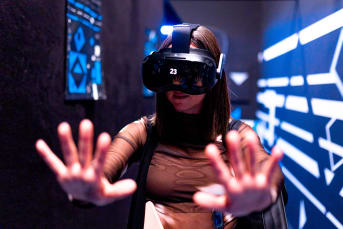
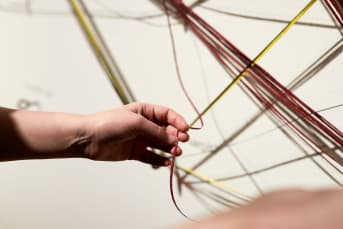
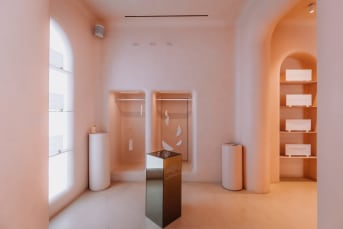

Technology only matters when it improves the visitor experience.
projects →
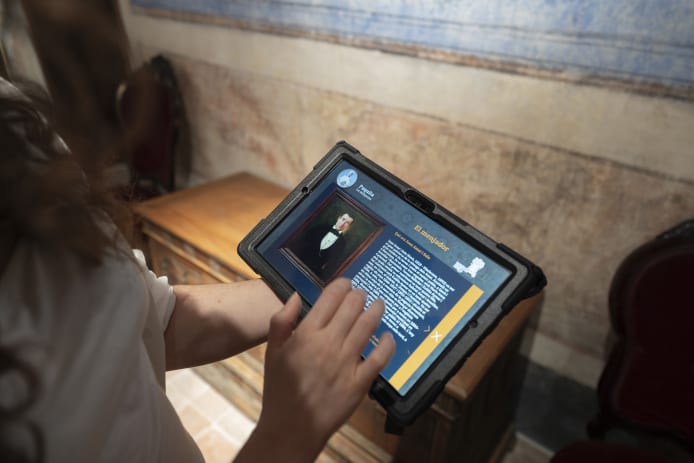
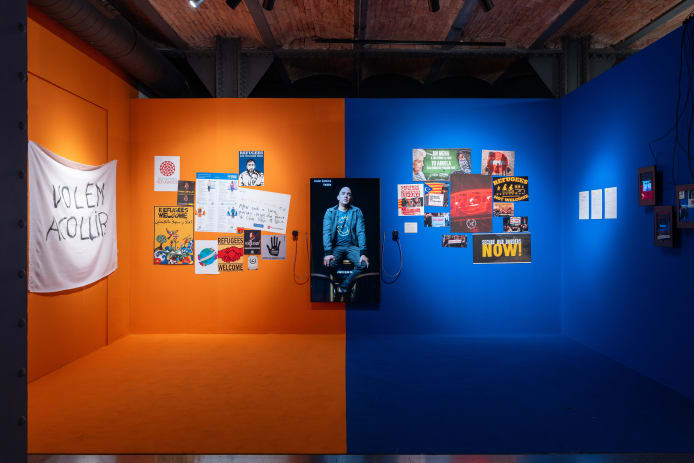
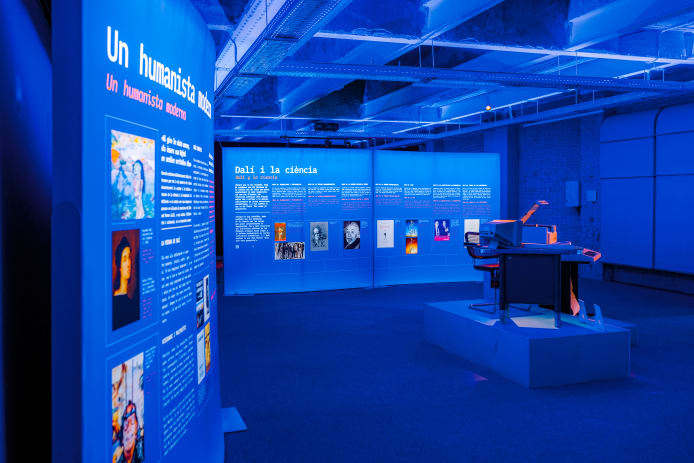
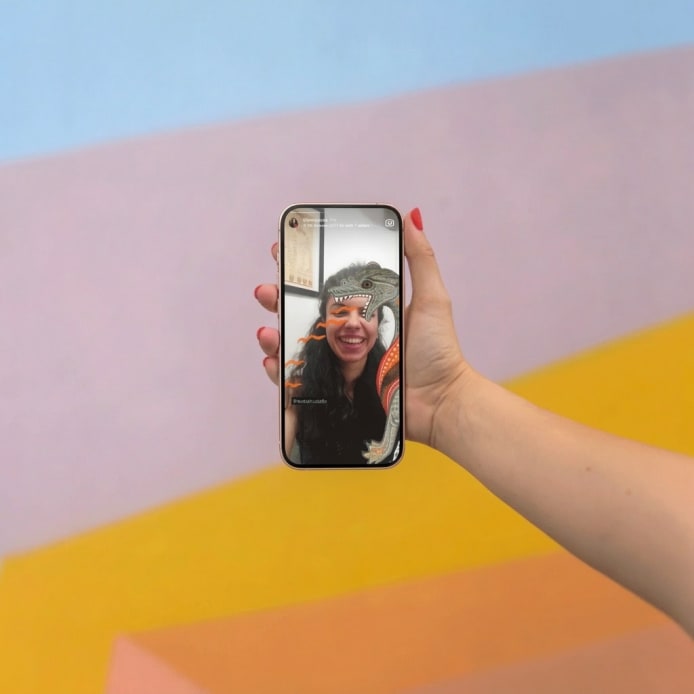
For us, an immersive experience actively involves visitors and encourages them to engage with a story or environment.
Not every immersive experience requires virtual reality or large-scale digital installations. In many cases, carefully designed scenography, sound, lighting, or interactive elements can create equally meaningful experiences.
Yes.
We collaborate with specialists in projection mapping, virtual reality (VR), augmented reality (AR), audiovisual production, interactive technologies, and other immersive media.
Our role is to design the overall visitor experience and coordinate every element so that technology supports a coherent narrative.
Technology is never our starting point.
We begin by understanding the project's objectives, audiences, and key messages. Only then do we select the technologies and interactive resources that genuinely improve understanding and engagement, avoiding technology used purely for visual effect.
We adapt to each project's needs.
We can contribute to individual phases or coordinate the complete process, from concept development and experience design through to supplier coordination, content development, production, and installation.
Interactive experiences invite visitors to participate through specific actions or decisions.
Immersive experiences create a broader sense of involvement by combining multiple elements such as space, sound, lighting, scenography, audiovisual media, and interaction to build a unified environment.
Many successful projects combine both approaches.
Technology is never the objective.
We introduce every interactive or digital element only when it helps communicate ideas more effectively, encourages participation, or enriches the visitor experience.
Our goal is for visitors to remember the story—not simply the technology they encountered.
To answer, we need to understand the project type, objectives, available space, intended audiences, and overall timeline.
If an exhibition concept or design already exists, we can integrate seamlessly. If not, we can also support the earliest stages of experience development.
Not at all.
Some projects benefit from virtual reality, projection mapping, or digital installations. Others achieve stronger results through scenography, lighting, sound, materials, or carefully designed participatory experiences.
Every project requires a different solution. Our role is to identify the combination of tools that creates the most meaningful and memorable experience.

Contact us.
Planning a museum, exhibition or cultural project? We would love to hear your ideas and help you bring them to life.
Request information