Creative strategy and graphic design
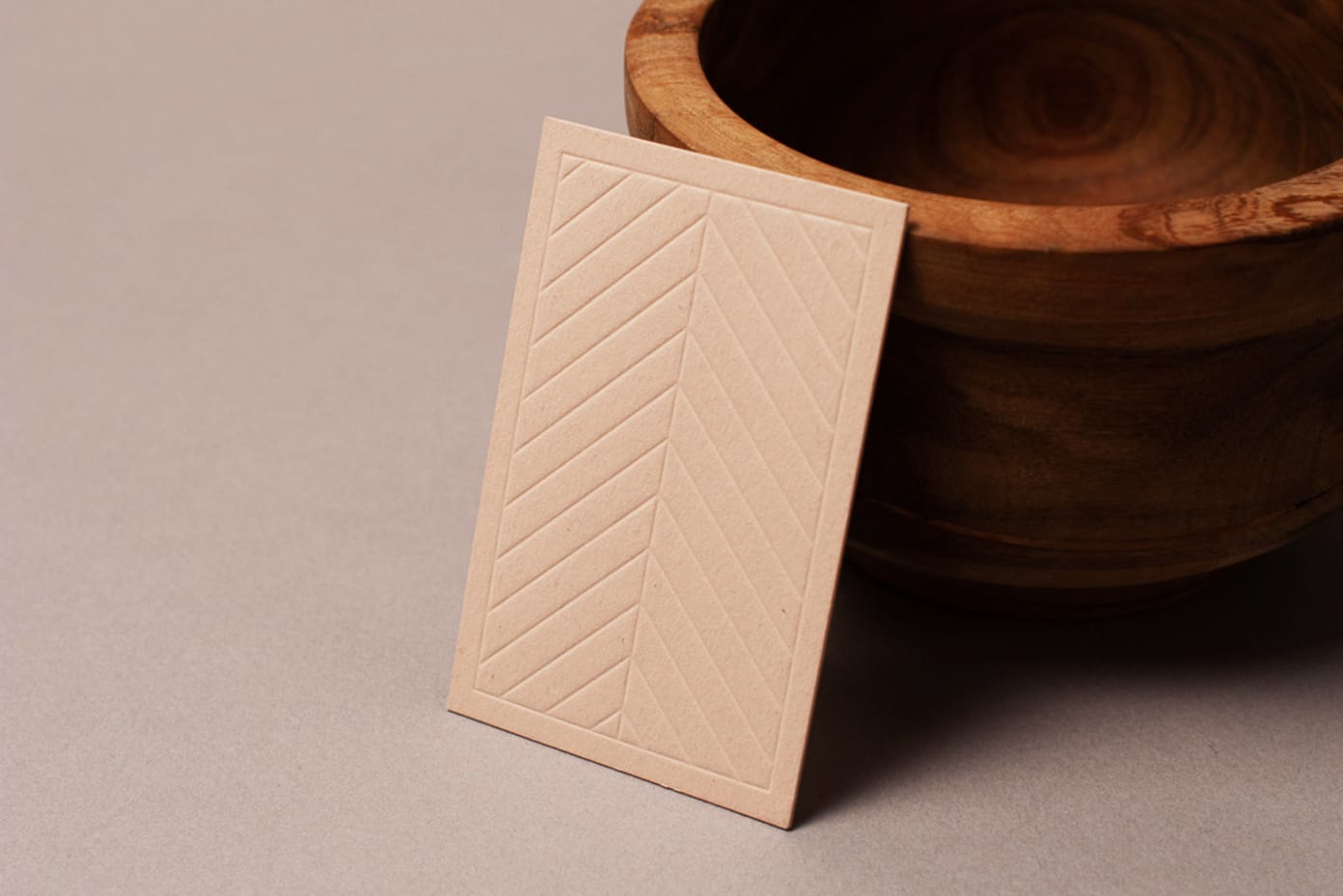
We design communication systems for cultural organisations.
Design can shape knowledge, clarify complex ideas, and transform specialist content into engaging visual communication.
We help museums, cultural institutions, and organisations communicate their projects more effectively through strategy, creativity, and design. From defining the core concept to developing every communication asset, we ensure each visual element serves a clear purpose and contributes to a consistent and recognisable identity.
Good design is about far more than creating attractive visuals. It organises information, strengthens communication, and helps people understand, navigate, and remember what matters most.
Complementary services
Every organisation has different communication needs, so we tailor our work to each project.
We develop visual identities, editorial publications, exhibition catalogues, signage systems, communication campaigns, exhibition graphics, websites, and complete visual communication systems, ensuring every touchpoint speaks the same visual language and reinforces a consistent brand experience.
Beyond design, we also support clients in strategically defining their communication, helping them clarify key messages, structure information, and build communication systems that remain effective over time.
Our approach to visual communication
We design to communicate—not simply to attract attention.
Every visual decision serves a purpose. Typography, colour, composition, and information hierarchy work together to communicate ideas clearly and support the overall project.
Understanding the context always comes before designing. By analysing the organisation, its audiences, and its objectives, we develop visual solutions that are relevant, distinctive, and built to evolve.
Rather than creating isolated design pieces, we develop communication systems where brand identity, publications, signage, digital platforms, and exhibition materials work together as one coherent language. Visual consistency not only strengthens recognition; it also improves understanding and creates a more meaningful relationship between organisations and their audiences.
- 65%
People remember up to 65% of information when it is supported by meaningful visual communication, compared with around 10% when presented as text alone. (Dr. John Medina, Brain Rules)
- 80%
Strategic use of colour and consistent visual identity can increase brand recognition by up to 80%. (Loyola University Maryland)
- 50 ms
People form an impression of a project's quality and credibility in as little as 50 milliseconds, based on its visual appearance. (Gitte Lindgaard et al.)
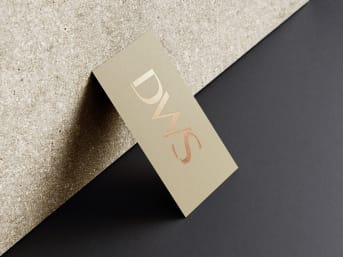
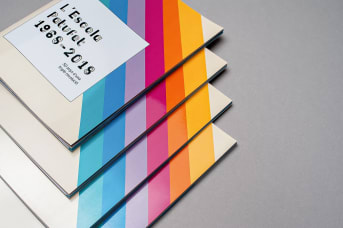
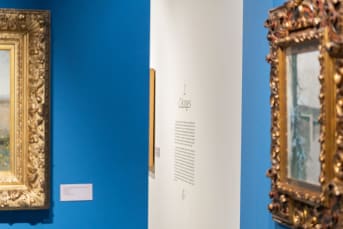

Design doesn't begin with choosing a typeface. It begins with understanding what you need to communicate.
projects →
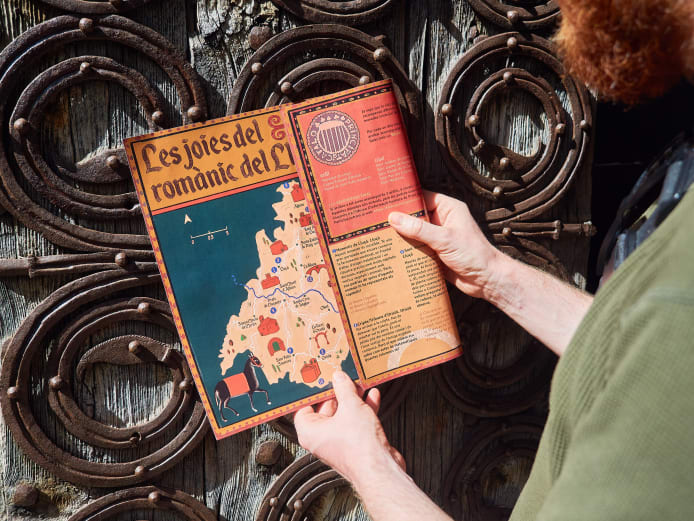
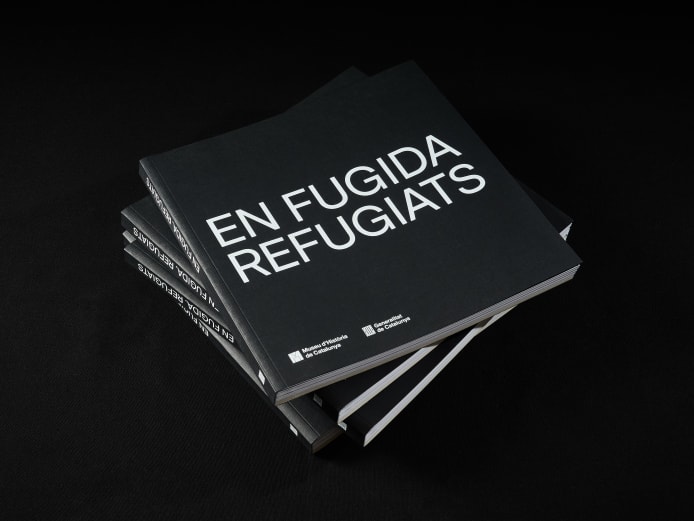
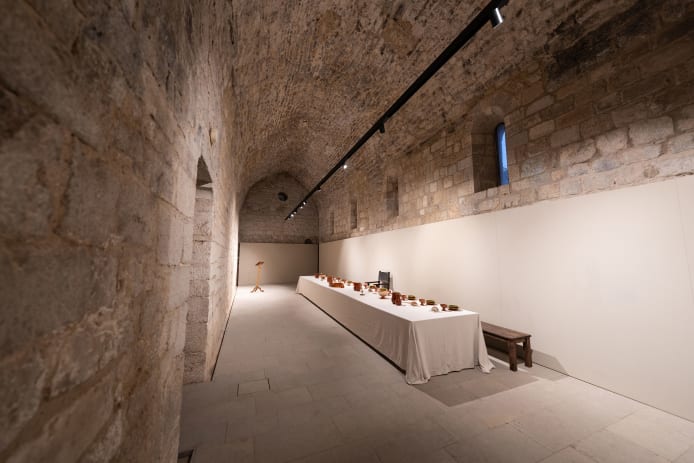

We develop visual communication projects for museums, cultural institutions, and organisations that need to communicate clearly, consistently, and effectively.
Our work can range from defining a creative strategy to designing visual identities, editorial publications, graphic systems, signage, communication campaigns, exhibition graphics, and digital communication materials. We tailor every project to the client's objectives while maintaining a strategic overview of the entire communication system.
Our studio specialises in the cultural sector, and much of our work is developed in collaboration with museums, heritage organisations, cultural institutions, and exhibition projects.
We also work with organisations from other sectors that share our commitment to communicating complex ideas in ways that are clear, engaging, and accessible.
Every project begins with research, listening, and strategic definition.
Before designing anything, we seek to understand the organisation, its audiences, its objectives, and the messages it wants to communicate. This strategic phase lays the foundation for a visual communication system that evolves collaboratively into a coherent, effective solution.
Creative strategy goes beyond producing visual assets.
It involves analysing the project, identifying communication opportunities, and defining a strategic direction before making design decisions. This ensures every visual element contributes to a broader communication objective.
For us, design is not simply about aesthetics—it is a strategic tool that helps organisations communicate ideas more effectively.
Yes.
We create bespoke visual identities for exhibitions, cultural programmes, institutional initiatives, and public engagement projects.
Our goal is to develop flexible graphic systems that apply consistently across exhibition spaces, publications, digital communication, signage, and every other audience touchpoint.
Yes.
We design both printed and digital publications, exhibition catalogues, educational resources, editorial projects, signage systems, exhibition graphics, and communication materials tailored to each project.
We pay particular attention to information hierarchy, readability, accessibility, and the overall reading experience, ensuring design actively supports communication.
We see design as a tool to improve understanding rather than add complexity.
Our work considers information architecture, visual hierarchy, typography, colour, readability, and accessibility to create communication that is inclusive, intuitive, and easy to navigate.
Every design decision is guided by one simple question: Does it help communicate more clearly?

Contact us.
Planning a museum, exhibition or cultural project? We would love to hear your ideas and help you bring them to life.
Request information